


Tilt sensors provide accurate angle measurement for position feedback, motion control and machine monitoring. Variohm’s range includes industrial, underwater, hazardous area and mining versions, as well as portable and OEM solutions for virtually any application.
| Application | Series |
|---|---|
| Industrial | P603 |
| Underwater | S613 / S623 |
| Hazardous Areas | X / E / G / H |
| Mining | A / M |
| Portable | PRO 360 |
| OEM | Compact / PCB |

S623 Submersible Large Angle Tilt Sensor
Submersible
Sealing to IP68 350 Bar
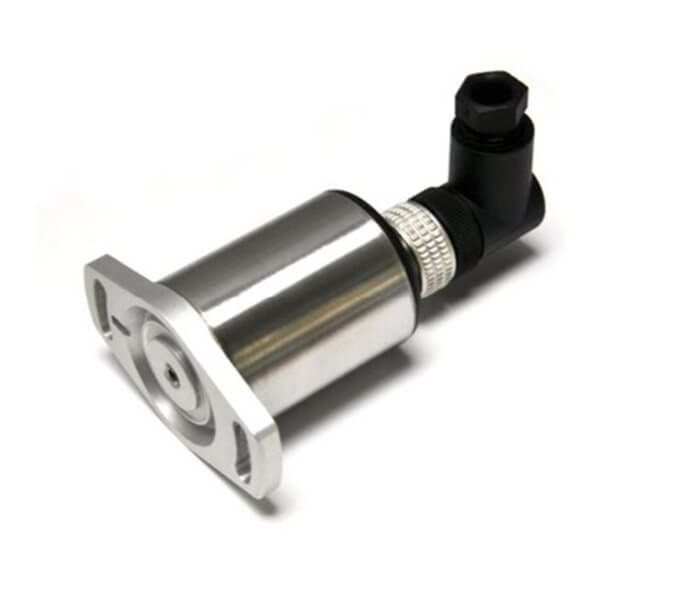
TIPS® X603 Large Angle Tilt Sensor
Intrinsically safe for Gas to: Ex II 1G
Sealing to IP67
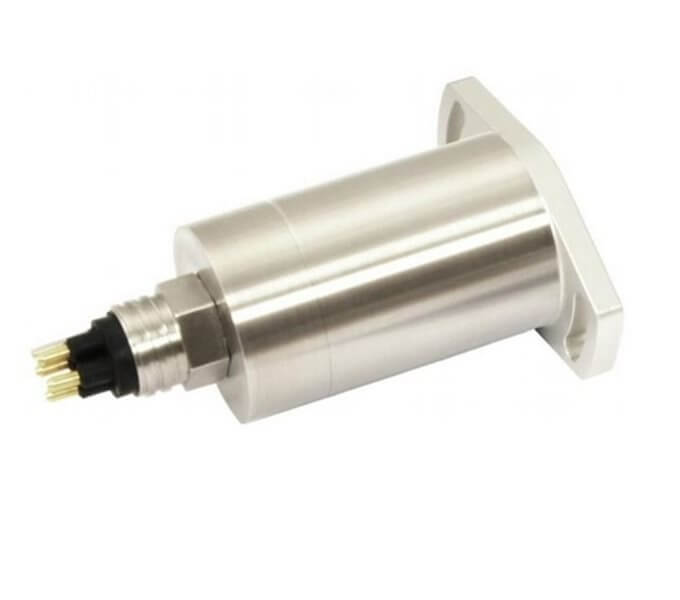
TIPS® X623 Large Angle Waterproof Submersible Tilt Sensor
Intrinsically safe for Gas to: Ex II 1G
Sealing to IP68 350 Bar
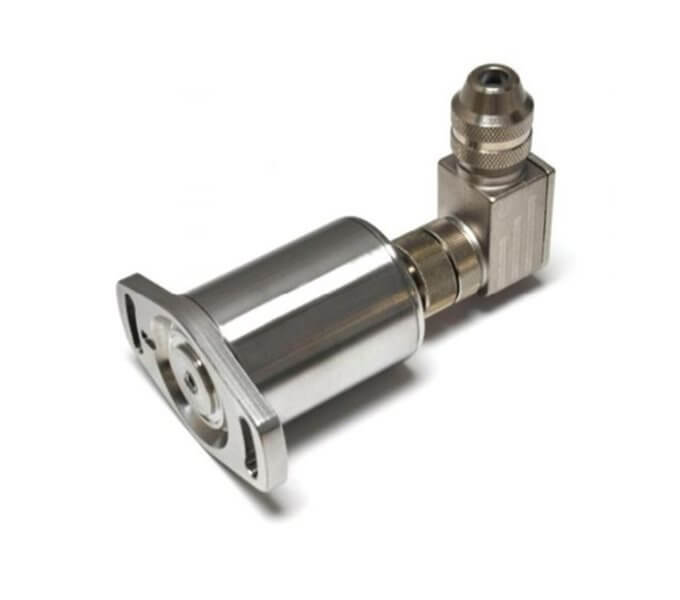
E603 Large Angle Tilt Sensor
Intrinsically safe for Gas and Dust to: Ex II 1GD
Sealing to IP67
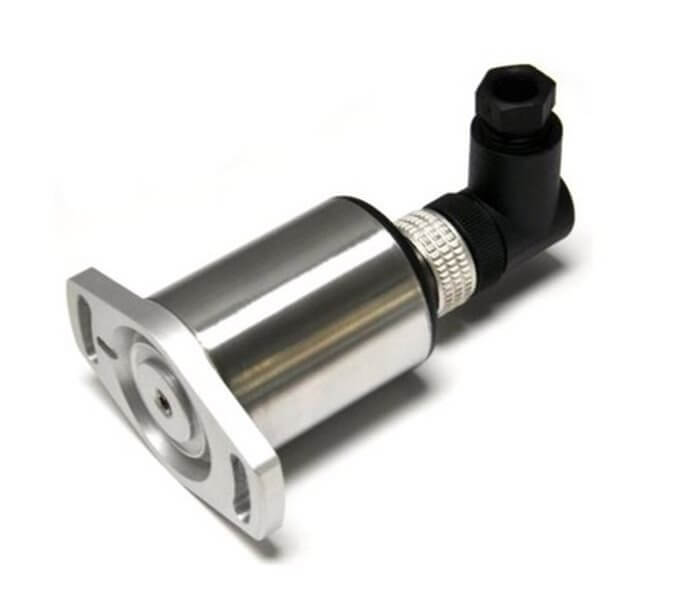
G603 Large Angle Tilt Sensor
Intrinsically safe for Gas to: Class I, Zone 0 Ex ia / AEx ia
Sealing to IP67

P603 Large Angle Tilt Sensor
Industrial & scientific applications
Sealing to IP67
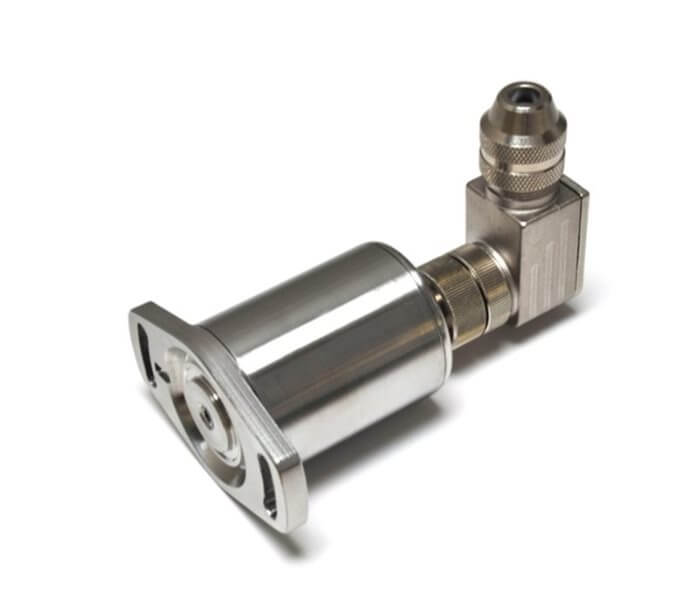
H603 Large Angle Tilt Sensor
Intrinsically safe for Gas and Dust to: Class I, Zone 0 Ex ia / AEx ia
Sealing to IP67
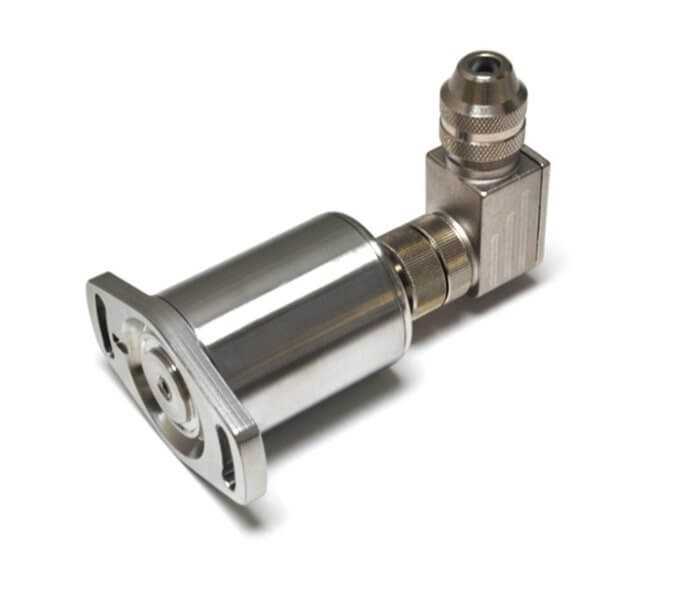
M603 Large Angle Tilt Sensor
Intrinsically safe for Gas and Dust to: Ex I/II M1/GD
Sealing to IP67
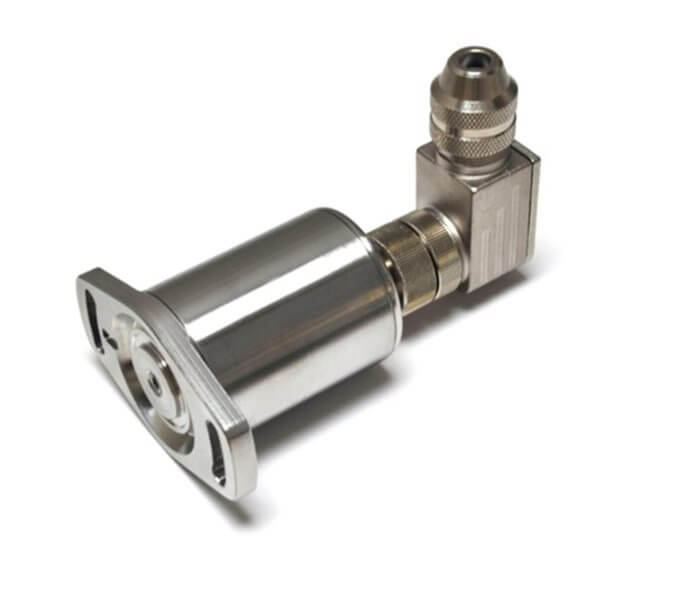
A603 Large Angle Tilt Sensor
Intrinsically safe for Mining to: Ex ia I/IIC T4
Sealing to IP67
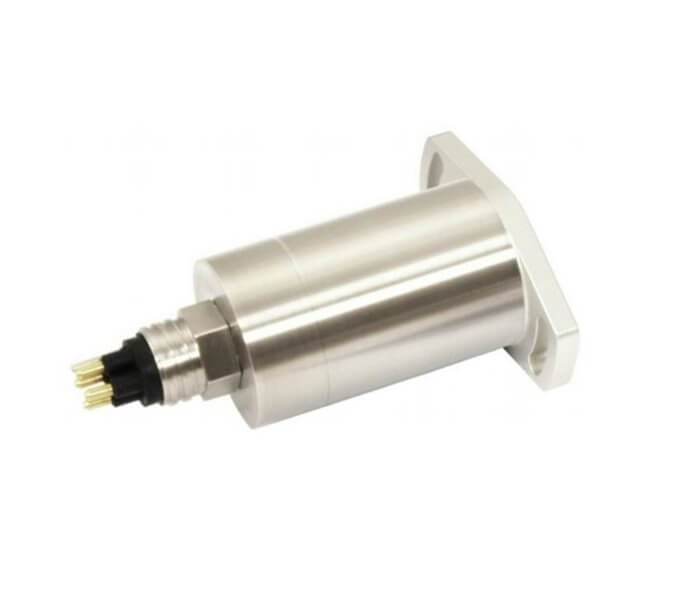
G623 Submersible Large Angle Tilt Sensor
Intrinsically safe for Gas to: Class I, Zone 0 Ex ia / AEx ia
Sealing to IP68 350 Bar

S613 Submersible Large Angle Tilt Sensor
For submerged and outdoor / offshore applications
Sealing to IP68 10 Bar
PRO 360 & PRO 3600 Digital Protractors
The PRO 360 and PRO 3600 Digital Protractors feature easy-to-read LCD displays that provide clear, accurate angle measurements. Measurements are generated by a high-precision electronic gravity sensor and processed using advanced low-power electronic circuitry

Compact Inclinometers
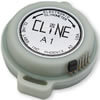
These Compact Inclinometers offer high performance yet low cost angle measurement. They combine proven technology with state of the art electronics.
PCB Mounted Inclinometers
These PCB Mounted Inclinometers are designed for OEM applications offering angle measurements up to 360º, with excellent resolution from a digital signal The ISU board is a cost effective design and offers easy integration into most applications, it is also available on a short lead-time.

Which Tilt Sensor Family Is Right for Your Application?
| If your application requires… | Recommended Series |
|---|---|
| Standard industrial machinery | P603 |
| Outdoor or submerged operation | S613 |
| Deep underwater operation (up to 350 Bar) | S623 |
| Hazardous gas environments (ATEX / IECEx) | X603 / X623 |
| Hazardous gas & dust environments (ATEX) | E603 |
| Hazardous gas environments (CSA) | G603 / G623 |
| Hazardous gas & dust environments (CSA) | H603 |
| Mining applications | A603 / M603 |
| Portable angle measurement | PRO 360 / PRO 3600 |
| Embedded OEM electronics | Compact / PCB Inclinometers |
Environmental Comparison
| Feature | P603 | S613 | S623 | X/E/G/H | A/M |
|---|---|---|---|---|---|
| Industrial applications | ✓ | ✓ | ✓ | ✓ | ✓ |
| IP67 | ✓ | – | – | ✓ | ✓ |
| IP68 | – | ✓ | ✓ | Selected Models | – |
| Underwater operation | – | ✓ | ✓ | Selected Models | – |
| Hazardous Areas | – | – | – | ✓ | ✓ |
| Mining | – | – | – | – | ✓ |
| Portable instrument | – | – | – | – | – |
Typical Output Options
| Output Type | Typical Applications |
|---|---|
| Voltage Output | General industrial equipment and OEM systems |
| Ratiometric Output | Embedded electronics and automotive applications |
| 4–20 mA | PLCs, process control and long cable installations |
| PWM | Microcontrollers and embedded systems |
| Digital Output | Advanced control and monitoring systems |
What Is an Inclinometer (Tilt Sensor)?
An inclinometer, also known as a tilt sensor, measures the angle of an object relative to gravity. Unlike rotary encoders, which measure shaft position, tilt sensors determine the orientation of stationary or moving equipment with respect to the Earth’s gravitational field.
Tilt sensors play a vital role in monitoring, positioning, motion control and safety systems across a wide range of industries. They are used wherever accurate angle measurement is required to improve equipment performance, maintain stability or protect operators and machinery.
Variohm offers a comprehensive range of inclinometers designed for virtually every operating environment. The portfolio includes standard industrial sensors, underwater and submersible models, hazardous-area versions with ATEX, IECEx and CSA approvals, mining-certified sensors, portable digital inclinometers and OEM modules for direct system integration.
How to Choose the Right Tilt Sensor
Although all inclinometers perform the same basic function, selecting the right sensor depends primarily on the application and operating environment.
Key selection criteria include:
- Industrial or scientific applications
- Underwater or offshore operation
- Hazardous gas or dust environments
- Mining applications
- Portable angle measurement
- OEM or PCB integration
The quick selection guide below provides an overview of the available sensor families, helping engineers identify the most suitable solution for their application.
Typical Applications for Tilt Sensors
Tilt sensors are used wherever accurate angle measurement improves positioning, stability, automation or operational safety. They are widely integrated into industrial equipment, mobile machinery and advanced defense systems, providing reliable real-time feedback for monitoring and closed-loop control.
Industrial Automation
Inclinometers are widely used in production machinery, automated manufacturing lines and industrial equipment to monitor machine position, platform inclination and alignment. Accurate angle feedback helps improve process consistency while protecting equipment from operating outside its intended limits.
Defense & Aerospace
Tilt sensors are extensively used in defense platforms, stabilized weapon stations, radar systems, electro-optical (EO/IR) payloads, communication masts and military vehicles. Accurate inclination measurement supports target stabilization, platform alignment and precise system positioning under demanding environmental conditions.
Mobile Equipment
Construction machinery, agricultural equipment, cranes, lifting platforms and utility vehicles rely on tilt sensors to monitor boom position, chassis inclination and overall machine stability, helping improve both operator safety and equipment performance.
Marine & Underwater Systems
Ships, autonomous surface vessels, underwater vehicles (ROVs), sonar systems and offshore equipment require reliable inclination measurement in harsh marine environments. Submersible tilt sensors provide dependable feedback for stabilization, navigation and subsea positioning.
Robotics & Autonomous Systems
Autonomous robots, AGVs, inspection robots and unmanned vehicles use tilt sensors to determine orientation and maintain stability while operating on uneven terrain. Tilt information is often combined with IMUs, GPS and other sensors to improve navigation and motion control.
Renewable Energy
Solar tracking systems, wind turbines and battery energy storage systems use inclinometers to optimize positioning, monitor structural alignment and improve long-term system efficiency.
Process Industries
Hazardous-area certified tilt sensors are used in chemical plants, fuel storage facilities, refineries and other industrial processes where explosive gas or dust atmospheres may be present. Selecting the appropriate ATEX, IECEx or CSA certified sensor ensures compliance with international safety requirements.
Material Handling
Tilt sensors are commonly integrated into conveyors, automated warehouses, lifting equipment and logistics systems to monitor inclination, improve positioning accuracy and protect equipment during operation.
FAQ
What is the difference between a tilt sensor and an inclinometer?
In most industrial applications, the two terms describe the same type of device. Both measure the angle of an object relative to gravity.
Can tilt sensors operate underwater?
Yes. Submersible models such as the S613 and S623 are specifically designed for underwater and offshore applications, with sealing ratings up to IP68 and pressure resistance of up to 350 Bar.
Do I need a hazardous-area certified tilt sensor?
If the sensor will operate in an environment containing explosive gases or combustible dust, an appropriately certified ATEX, IECEx or CSA model should be selected to meet local safety requirements.
What output signals are available?
Depending on the product family, Variohm inclinometers are available with analogue voltage, ratiometric, 4–20 mA, PWM and digital communication outputs.
How do I choose the right inclinometer?
The most important considerations are the operating environment, required certification, measurement range, environmental protection (IP rating), output signal and installation method.
Glossary
Inclinometer (Tilt Sensor)
A sensor that measures the angle of an object relative to gravity. Tilt sensors are commonly used for positioning, leveling, stability monitoring and motion control.
IP67
Provides complete protection against dust ingress and temporary immersion in water.
Typical applications:
- Industrial machinery
- Mobile equipment
- Outdoor installations
IP68
Designed for continuous immersion in water.
Depending on the sensor series, IP68 versions are available for pressures up to 10 Bar or 350 Bar, making them suitable for marine, offshore and subsea applications.
10 Bar
Indicates the sensor is designed for underwater operation at pressures equivalent to approximately 100 metres of water depth.
Typical applications include marine equipment, offshore installations and outdoor systems exposed to flooding.
350 Bar
Designed for extreme underwater environments, equivalent to approximately 3,500 metres of water depth.
Commonly used in:
- ROVs
- Subsea inspection
- Oceanographic equipment
- Deep-sea infrastructure
Intrinsically Safe
An intrinsically safe device is designed so that it cannot release enough electrical or thermal energy to ignite explosive gases, vapours or combustible dust, even under fault conditions.
These sensors are commonly used in Oil & Gas, chemical processing, mining and other hazardous industries.
ATEX
European certification for equipment used in explosive atmospheres.
ATEX approval is commonly required throughout Europe, the Middle East and many international industrial projects.
IECEx
International certification system for equipment operating in hazardous areas.
IECEx is recognised in many countries and simplifies certification for global projects.
CSA
Hazardous area certification widely used in North America, particularly the United States and Canada.
CSA-certified sensors are commonly specified for industrial facilities operating under North American standards.
Ex II 1G
European ATEX classification for equipment intended for explosive gas atmospheres.
Meaning
- Ex – Explosion protected equipment
- II – Surface industries (non-mining)
- 1 – Category 1 equipment suitable for Zone 0
- G – Gas, vapour or mist atmospheres
Typical applications include Oil & Gas, refineries, chemical plants and fuel storage facilities.
Ex II 1GD
ATEX certification for both explosive gas and combustible dust environments.
Suitable for applications where either gas or dust hazards may be present.
Typical industries include:
- Chemical processing
- Food production
- Grain handling
- Pharmaceutical manufacturing
- Powder processing
Class I, Zone 0 Ex ia / AEx ia
North American hazardous-area approval.
Meaning
- Class I – Flammable gases or vapours
- Zone 0 – Hazard present continuously or for long periods
- Ex ia – Intrinsically safe
- AEx – North American equivalent marking
Typical applications include petrochemical plants, offshore platforms and fuel terminals.
Ex I/II M1/GD
Certification covering both mining and surface hazardous industries.
Suitable for equipment operating in underground mines as well as hazardous gas and dust environments.
Ex ia I/IIC T4
Mining-related intrinsic safety approval.
Designed for equipment operating in underground mining environments where methane or other explosive gases may be present.
Non-Contact Inductive Technology
A sensing technology that measures angle without physical contact between moving measuring elements.
Key advantages include:
- No mechanical wear
- Excellent repeatability
- High shock resistance
- Long service life
- Minimal maintenance
Ratiometric Output
An analogue output whose voltage changes proportionally with the supply voltage.
Commonly used in embedded electronics and automotive systems because it improves immunity to supply voltage variations.
4-20 mA Output
An industrial current-loop interface widely used for long cable runs and electrically noisy environments.
Ideal for PLCs, process control and industrial automation.
PWM Output
Pulse Width Modulation output representing the measured angle by varying the pulse width.
Often used in embedded controllers and microprocessor-based systems.
OEM
Original Equipment Manufacturer.
Indicates products intended for integration into another manufacturer’s equipment rather than standalone use.
Not sure which certification you need?
Our engineering team can help you select the appropriate inclinometer based on your application, environmental conditions and regional certification requirements.
Need an inclinometer?
│
▼
Portable measurements?
│
YES ─────────► PRO 360
│
NO
│
▼
PCB integration?
│
YES ─────────► PCB / Compact
│
NO
│
▼
Underwater?
│
YES ─────────► S613 / S623
│
NO
│
▼
Hazardous Area?
│
YES ─────────► X / E / G / H / A / M
│
NO
│
▼
P603